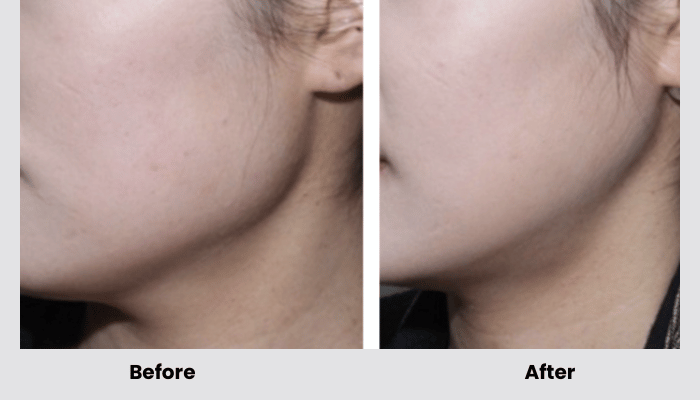
Protruded Mouth Surgery in Korea: Causes, Diagnosis, and Treatment Options
A protruded mouth refers to a facial profile where the lips and mouth project forward more than average. In Korea, this condition is carefully evaluated because it affects facial balance, lip posture, and overall side-profile harmony—not just the teeth.
This guide explains the causes, how Korean specialists diagnose it, and the treatment options available, including when surgery is recommended.
What Is a Protruded Mouth?
A protruded mouth is characterized by:
- Forward-positioned lips at rest
- Difficulty closing the mouth naturally
- A convex or “pushed-forward” side profile
- Visible mouth projection even after orthodontic alignment
Importantly, a protruded mouth is not always caused by crooked teeth. In many cases, the underlying issue is structural.
Common Causes of a Protruded Mouth
Dental Protrusion
Teeth are angled forward, pushing the lips outward. This may respond well to orthodontic treatment in mild cases.
Alveolar Bone Protrusion
The tooth-bearing bone itself is positioned forward. Orthodontics alone cannot move this bone, making surgery more effective.
Skeletal Jaw Structure
The upper jaw, lower jaw, or both may be positioned forward relative to the face.
Lip and Soft Tissue Factors
Even with acceptable bone structure, thick lips or soft tissue tension can exaggerate protrusion.
Most patients have a combination of these factors, which is why careful diagnosis is critical.
How Protruded Mouth Is Diagnosed in Korea
Korean clinics emphasize structural diagnosis over cosmetic assumptions.
Facial Profile Analysis
Side-profile balance, lip position at rest, and facial proportions are carefully evaluated.
Dental and Bite Evaluation
Tooth alignment, bite relationship, and occlusion stability are assessed.
Cephalometric X-Ray Analysis
This measures the relationship between teeth, alveolar bone, jaws, and facial skeleton.
3D CT Imaging
Advanced imaging helps visualize bone position and simulate potential surgical movement.
Diagnosis focuses on answering one key question:
Is the protrusion dental, skeletal, or both?
Treatment Options for Protruded Mouth in Korea
Orthodontic Treatment Only
Best suited for:
- Mild dental protrusion
- Normal jaw and alveolar bone position
- Acceptable lip posture
Limitations:
- Cannot reposition bone
- Profile change may be minimal
- Often considered “camouflage” in moderate cases
Protruded Mouth Surgery (Anterior Alveolar Setback)
This surgery repositions the forward alveolar bone, reducing mouth projection and improving lip posture.
Recommended when:
- Lips protrude even with aligned teeth
- Mouth does not close naturally
- Profile imbalance is structural
Benefits:
- Direct profile improvement
- Better lip relaxation
- More predictable aesthetic change
Combined Orthodontics + Surgery
This is the most common approach in Korea.
Process:
- Pre-surgery orthodontics to align teeth
- Surgical correction of protrusion
- Post-surgery orthodontics for bite stability
This combination offers the best balance of aesthetics and function for moderate to severe cases.
Bimaxillary (Double Jaw) Surgery
Used only when protrusion involves the entire jaw structure, not just the mouth area.
Indicated for:
- Severe jaw protrusion or retrusion
- Major bite or functional problems
- Significant facial asymmetry
This option involves a broader skeletal correction and longer recovery.
Why Korean Treatment Planning Is Different
Korean specialists place strong emphasis on:
- Natural lip posture at rest
- Side-profile harmony
- Avoiding over-correction
- Long-term facial balance
Rather than pushing orthodontics beyond its limits, Korean planning often favors precise structural correction when needed.
Final Thoughts
Protruded mouth surgery in Korea is not a one-size-fits-all solution. Successful treatment depends on accurate diagnosis, understanding the true cause of protrusion, and selecting the appropriate combination of orthodontic and surgical care.
For mild cases, orthodontics alone may be sufficient. For structural protrusion, surgery—often combined with orthodontics—provides more reliable and lasting results.