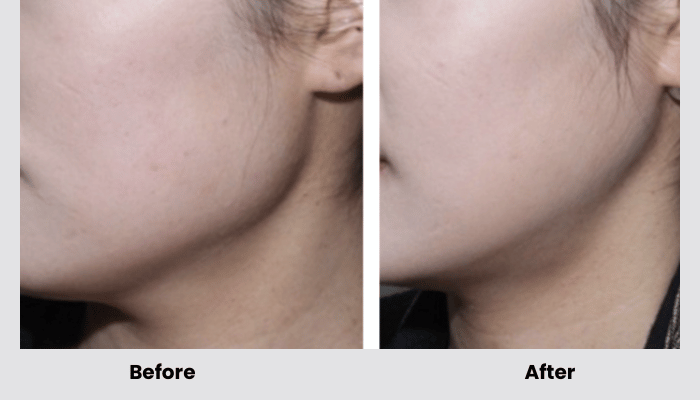
Orthognathic Surgery in Korea | Bite & Jaw Alignment Correction
What Is Orthognathic Surgery?
Orthognathic surgery is a corrective jaw surgery designed to realign the upper jaw, lower jaw, or both to improve bite function, facial balance, and jaw stability. In Korea, orthognathic surgery is performed with a strong focus on function-first correction, while also improving facial harmony.
This procedure is different from cosmetic facial contouring—it corrects how the jaws fit and work together.
Why Orthognathic Surgery Is Needed
Jaw misalignment can cause more than aesthetic concerns. Common issues include:
- Difficulty chewing or biting
- Improper tooth contact (malocclusion)
- Jaw pain or fatigue
- Facial asymmetry
- Speech articulation issues
- Breathing or airway problems in some cases
When orthodontics alone cannot fix these problems, orthognathic surgery may be recommended.
Types of Orthognathic Surgery in Korea
Upper Jaw Surgery (Maxillary Osteotomy)
This procedure repositions the upper jaw.
Common indications:
- Open bite
- Upper jaw protrusion or retrusion
- Vertical facial imbalance
Benefits include improved bite contact, facial proportion, and sometimes breathing function.
Lower Jaw Surgery (Mandibular Osteotomy)
This surgery moves the lower jaw forward or backward.
Common indications:
- Underbite or overbite
- Lower jaw asymmetry
- Functional bite problems
Lower jaw repositioning also affects chin position and jawline balance.
Bimaxillary (Two-Jaw) Surgery
Bimaxillary surgery adjusts both the upper and lower jaws simultaneously.
Used for:
- Severe bite misalignment
- Complex skeletal discrepancies
- Facial asymmetry involving multiple planes
This is the most comprehensive form of orthognathic surgery.
Asymmetry Correction Surgery
Customized jaw repositioning is used to correct left–right imbalance.
Focus areas:
- Jaw height differences
- Uneven bite force
- Facial midline correction
Asymmetry cases require detailed pre-surgical planning.
Functional Goals of Orthognathic Surgery
Orthognathic surgery is primarily performed to restore normal jaw function.
Bite Correction
- Proper alignment of upper and lower teeth
- Improved chewing efficiency
- Reduced abnormal tooth wear
Jaw Joint Balance
- More even force distribution
- Reduced strain on jaw joints
- Improved jaw comfort
Speech & Oral Function
Correct jaw positioning can improve articulation and oral coordination in selected cases.
Breathing & Airway Support
Jaw repositioning may increase airway space in certain patients, supporting better airflow.
Aesthetic Improvements from Orthognathic Surgery
Although function is the priority, aesthetic changes often include:
- Improved side profile
- Balanced facial proportions
- Better lip posture
- More symmetrical facial appearance
In Korea, surgeons aim for natural, proportion-based outcomes, avoiding overcorrection.
Orthognathic Surgery vs Facial Contouring Surgery
Key differences:
- Orthognathic surgery: Corrects jaw position and bite
- Facial contouring surgery: Reshapes bone width and angles
Orthognathic surgery is chosen when function and alignment are the main concerns.
Recovery Timeline
Typical recovery stages:
- 1–2 weeks: swelling, tightness, limited jaw movement
- 1 month: significant swelling reduction
- 3–6 months: bite strength and mobility improve
- 6–12 months: final jaw stability and facial balance
Recovery depends on surgery type and individual healing.
Who Is a Good Candidate?
Orthognathic surgery may be appropriate for individuals who:
- Have bite problems affecting daily life
- Experience jaw discomfort or chewing difficulty
- Have facial imbalance caused by jaw position
- Did not achieve correction with orthodontics alone
A comprehensive evaluation is essential before proceeding.
Planning & Diagnosis in Korea
Orthognathic surgery planning typically involves:
- Detailed facial analysis
- Bite and dental alignment assessment
- Imaging and structural evaluation
- Coordination between surgical and orthodontic planning
Proper diagnosis ensures both functional success and long-term stability.
Final Thoughts
Orthognathic surgery in Korea is a highly structured, function-driven procedure designed to correct bite issues and jaw misalignment at their source. By restoring proper jaw positioning, the surgery improves daily function while enhancing facial balance.
Understanding the goals, types, and recovery process is key to making an informed decision about orthognathic surgery.