Jaw Surgery for Facial Asymmetry: Treatment Options in Korea
What Is Facial Asymmetry?
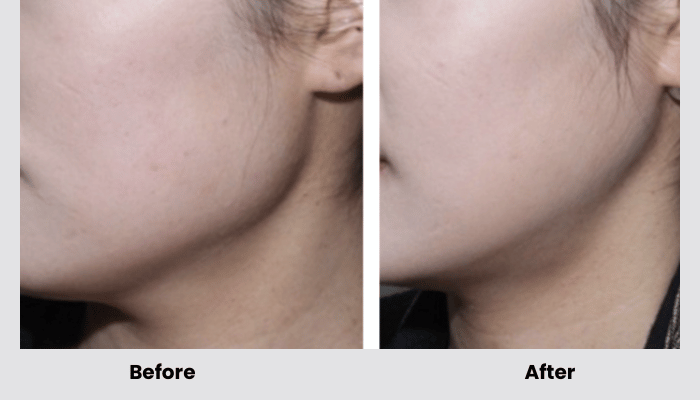
Facial asymmetry occurs when one side of the face differs noticeably from the other — often involving the jaw, chin, or bite alignment. Significant asymmetry can impact both appearance and function, including chewing efficiency and dental balance. Korea is a leading destination for surgical solutions that address both facial balance and functional issues through advanced techniques and precision planning.
Main Jaw Surgery Options for Facial Asymmetry
1. Orthognathic Surgery (Corrective Jaw Surgery)
Orthognathic surgery is the most common and effective surgical approach to correct jaw-related facial asymmetry by repositioning the upper jaw (maxilla), lower jaw (mandible), or both. It is performed by oral and maxillofacial specialists to improve symmetry, bite alignment, and overall facial harmony.
Key Features:
- Repositions jaws to correct skeletal asymmetry
- Works with orthodontics to align teeth and bite
- Improves facial balance and function
- Uses tools like 3D CT planning for precise results
When It’s Used:
- One jaw misaligned relative to the midline
- Bite problems paired with asymmetry
- Uneven cheek or bite lines
- Functional issues like TMD or chewing difficulty
2. Two-Jaw (Double Jaw) Surgery
Also known as bimaxillary orthognathic surgery, this procedure corrects asymmetry by adjusting both the upper and lower jaws simultaneously.
Benefits:
- Corrects more complex asymmetry patterns
- Balances mid- and lower face proportions
- Enhances both aesthetics and occlusion (bite)
- Often tailored with 3D simulation and multidisciplinary teams (dentistry + surgery)
Why It’s Effective:
Because asymmetry often involves multiple planes of the face (upper + lower), two-jaw surgery can realign both perspectives in one comprehensive plan.
Adjunctive Procedures to Enhance Symmetry
Jaw surgery alone may not fully balance the face in all cases. Other procedures may be combined:
🦷 Genioplasty (Chin Surgery)
Adjusts chin position and shape, including lateral shifts — often used when chin asymmetry persists after jaw alignment.
🦴 Cheekbone (Zygoma) Modification
If mid-face asymmetry is present, cheekbone contouring can improve balance when combined with jaw correction.
🦷 Facial Contouring Surgery
Can refine bone contours around the jawline and cheeks for better overall symmetry and aesthetic proportion.
Functional Benefits Beyond Aesthetics
Corrective jaw surgery for facial asymmetry in Korea doesn’t just change appearance:
✔ Improved Bite & Dental Function
Realigning jaws allows for better tooth contact and chewing efficiency.
✔ Better Jaw Comfort & TMD Relief
Balanced jaw position reduces stress on the temporomandibular joint.
✔ Enhanced Speech & Oral Function
Correcting skeletal discrepancies improves coordination and articulation in select cases.
✔ Increased Facial Harmony
Symmetric proportions can enhance mid- and lower-face balance, leading to a more natural appearance. Medical
Typical Process of Jaw Asymmetry Correction
- Comprehensive evaluation — clinical exam, 3D imaging, dental and skeletal assessment
- Orthodontic preparation — braces may be used before and/or after surgery
- Surgical realignment — precise repositioning of maxilla and/or mandible
- Post-operative recovery — monitoring and orthodontic refinement if needed
Who Is a Good Candidate?
Jaw surgery for asymmetry may be appropriate for those who:
✅ Have noticeable jaw misalignment or facial imbalance
✅ Experience bite dysfunction or chewing issues
✅ Have asymmetry confirmed on imaging that cannot be improved with orthodontics alone
✅ Want long-term structural correction rather than temporary fixes
Final Thoughts
Facial asymmetry correction through jaw surgery in Korea combines functional restoration with aesthetic refinement. With advanced planning methods (like 3D simulation) and multidisciplinary teams, treatment aims not just at cosmetic balance but also at improved oral function and comfort. Understanding the range of surgical options and complementary procedures will help you choose the most effective path for lasting symmetry.