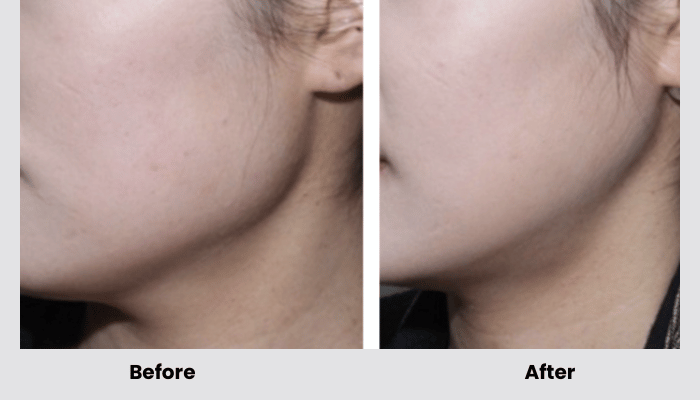
Protruded Mouth Surgery vs Orthodontics: Which Works Better in Korea?
In Korea, patients with a protruded mouth profile are often told they have two possible solutions: orthodontic treatment or protruded mouth surgery. While both can improve appearance and function, they work in very different ways—and choosing the wrong option can lead to disappointing results.
This guide explains how each approach works, when it is effective, and which option works better depending on your facial structure, using Korea’s treatment philosophy as a reference.
What Causes a Protruded Mouth?
A protruded mouth appearance can be caused by different factors:
- Forward-positioned teeth
- Protruding alveolar (tooth-bearing) bone
- Lip protrusion with tension at rest
- Skeletal jaw positioning
- Combination of dental and skeletal factors
The key to choosing the right treatment in Korea is identifying whether the protrusion is dental or skeletal.
What Orthodontics Can Do
Orthodontic treatment (braces or aligners) focuses on tooth movement, not bone repositioning.
When Orthodontics Works Well
Orthodontics may be effective if:
- Protrusion is mainly caused by tooth position
- Jaw bones are structurally normal
- Lip protrusion is mild
- Patient prefers a non-surgical approach
Benefits of Orthodontics
- Non-surgical
- Lower risk
- Gradual improvement
- Functional bite correction
Limitations
- Limited effect on lip posture
- Cannot move jaw or alveolar bone
- Profile change is often subtle
- Results depend heavily on facial anatomy
In Korea, orthodontics alone is often referred to as “orthodontic camouflage”—it improves alignment but does not fully correct skeletal protrusion.
What Protruded Mouth Surgery Can Do
Protruded mouth surgery corrects forward-positioned alveolar bone and mouth projection, directly addressing profile imbalance.
When Surgery Works Better
Surgery is often recommended if:
- Lips remain protruded even with aligned teeth
- Mouth does not close naturally at rest
- Facial profile is convex
- Orthodontics alone cannot reduce protrusion
Benefits of Surgery
- Direct improvement in side profile
- Better lip posture and relaxation
- More predictable aesthetic outcome
- Structural correction rather than compensation
Considerations
- Surgical recovery required
- Higher upfront cost
- Requires precise diagnosis and planning
In Korea, surgery is commonly paired with orthodontics to stabilize results, not replace them.
4
Why Korea Often Recommends Surgery Over Orthodontics Alone
Korean facial analysis places strong emphasis on:
- Side-profile harmony
- Natural lip closure
- Balanced midface projection
If orthodontics alone cannot improve these areas, Korean specialists often recommend surgical correction rather than prolonged orthodontic camouflage, which may flatten the smile or strain lip support.
Can Orthodontics Replace Surgery?
In most moderate to severe protruded mouth cases:
- Orthodontics alone improves teeth alignment
- Surgery improves facial structure
Orthodontics cannot reposition bone, which is why patients with true skeletal or alveolar protrusion often remain dissatisfied after braces alone.
Combined Treatment: The Most Common Approach in Korea
For many patients, the best solution is orthodontics + protruded mouth surgery.
This approach allows:
- Precise bone correction
- Stable tooth alignment
- Better long-term results
- Balanced aesthetics and function
Orthodontics prepares the teeth, surgery corrects structure, and post-op orthodontics fine-tunes the bite.
Which Option Is Better for You?
Orthodontics may be enough if:
- Protrusion is mild
- Lip posture is acceptable
- Facial profile is relatively flat
Protruded mouth surgery may work better if:
- Lips protrude significantly
- Mouth looks forward even at rest
- Profile imbalance is a main concern
- Orthodontics alone would be insufficient
A proper decision in Korea is usually based on:
- 3D CT imaging
- Cephalometric analysis
- Facial profile evaluation
- Bite and functional assessment
Final Thoughts
In Korea, protruded mouth surgery and orthodontics are not competing treatments—they serve different purposes. Orthodontics moves teeth; surgery corrects structure. Choosing the right option depends on the true cause of protrusion, not just cosmetic preference.
For patients seeking meaningful profile change and natural lip posture, surgery often delivers more reliable results. For mild cases, orthodontics alone may be sufficient.