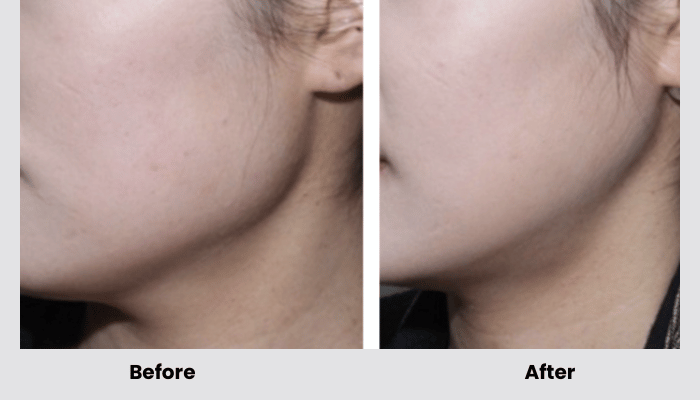
Facial Contouring Surgery Cost in Korea: What Affects Pricing?
Facial contouring surgery in Korea is internationally known for producing slimmer, more balanced facial lines—especially for the jawline, cheekbones, and chin. While Korea is often more affordable than Western countries, pricing varies widely depending on several critical factors.
This guide explains what influences facial contouring surgery cost in Korea, so patients can understand quotes clearly and avoid unexpected expenses.
Average Facial Contouring Surgery Cost Range in Korea
Facial contouring surgery costs in Korea depend on whether one area or multiple areas are treated.
- Single procedure (jaw, cheekbone, or chin only): often starts from the mid-range and increases with complexity
- Two-area contouring (e.g., jaw + chin): higher overall cost due to extended surgery time
- Full facial contouring (jaw + cheekbone + chin): the highest pricing tier due to multi-step bone reshaping
Prices usually include surgery itself, but orthodontics, extended recovery care, or revision planning may be separate.
Key Factors That Affect Facial Contouring Surgery Cost
1. Type of Procedure Performed
Facial contouring is not a single surgery. Pricing differs depending on whether the procedure involves:
- Jaw reduction or reshaping
- Cheekbone (zygoma) reduction
- Chin reshaping (genioplasty)
- Combination contouring
Each additional area increases surgical time, technical difficulty, and cost.
2. Surgical Complexity and Bone Structure
Patients with:
- Thick jawbone
- Asymmetry
- Previous facial surgery
- Significant protrusion or width
often require more extensive bone reshaping, which raises cost due to longer operating time and planning.
3. Surgeon Experience and Specialization
In Korea, facial contouring is a highly specialized field. Surgeons with:
- High surgical volume
- Long experience in contouring procedures
- Strong aesthetic reputation
typically charge higher fees, reflecting expertise and risk management.
4. Clinic Location and Infrastructure
Clinics in central Seoul—particularly major medical districts—often have higher pricing due to:
- Advanced operating facilities
- Dedicated anesthesiology teams
- In-house imaging and recovery systems
However, higher cost does not always mean better results, making consultation quality crucial.
5. Diagnostic Imaging and Surgical Planning
Clinics that use:
- 3D CT imaging
- Virtual surgical simulation
- Facial balance analysis
may charge more upfront. These tools increase accuracy and reduce the risk of over- or under-correction, which can save costs long-term.
6. Anesthesia and Hospital Stay
Facial contouring surgery is usually performed under general anesthesia. Cost varies depending on:
- Length of surgery
- Anesthesia time
- Number of nights hospitalized
Longer procedures require more monitoring and increase total cost.
7. Post-Operative Care and Follow-Ups
Some clinics include:
- Post-op medications
- Swelling management
- Compression band care
- Scheduled follow-up visits
Others charge separately. Always confirm what post-operative care is included in the quoted price.
8. Combined Procedures
Many patients combine facial contouring with:
- Protruded mouth surgery
- Chin advancement or reduction
- Facial fat grafting
Combination surgery reduces total anesthesia sessions but increases overall cost due to surgical scope.
Additional Costs for International Patients
If traveling to Korea, plan separately for:
- Flights and accommodation
- Extended recovery stay
- Daily living expenses
- Translation or coordinator services
These are not part of surgical fees but are essential for budgeting.
Why Korea’s Facial Contouring Costs Are Still Competitive
Compared to the US and Europe, Korea offers:
- High surgical specialization
- Advanced bone contouring techniques
- Competitive pricing despite high volume
- Predictable aesthetic planning
This balance keeps Korea a top destination for facial contouring surgery worldwide.
Final Thoughts
Facial contouring surgery cost in Korea is influenced by procedure type, complexity, surgeon experience, diagnostic planning, and aftercare. Understanding these factors helps patients evaluate quotes realistically rather than focusing on price alone.
Choosing a clinic that prioritizes accurate diagnosis, conservative reshaping, and long-term balance is often more important than choosing the lowest price.