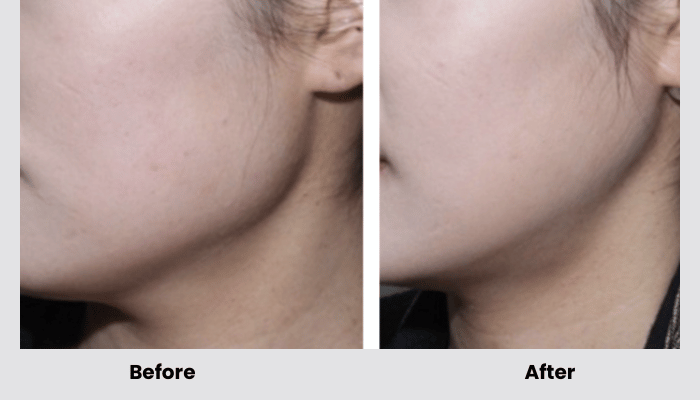
Combining Facial Contouring Surgery with Other Procedures
Why Combine Facial Contouring Surgery with Other Procedures?
Facial contouring surgery changes the underlying bone structure of the face. While this creates powerful slimming and reshaping effects, bone changes alone may not address skin laxity, soft tissue balance, or facial harmony.
For this reason, facial contouring surgery in Korea is often combined with other procedures to achieve a more natural, proportionate, and refined result.
Common Procedures Combined with Facial Contouring Surgery
V-Line Surgery + Cheekbone Reduction
This combination is chosen when the face appears wide in both the lower face and midface.
Benefits include:
- Overall facial width reduction
- Improved front and 45-degree facial angles
- Better balance between cheekbones and jawline
This approach is common for patients seeking a full-face slimming effect.
Facial Contouring Surgery + Chin Augmentation or Adjustment
Even after jaw reduction, chin shape plays a major role in facial proportions.
Chin procedures may include:
- Chin length adjustment
- Chin narrowing
- Chin advancement or setback
Combining chin refinement helps prevent a flat or overly short lower face after contouring.
Facial Contouring Surgery + Face Lifting Procedures
Bone reduction can sometimes reveal skin laxity, especially in patients over 30.
Common combinations include:
- Lower face lift
- Mini lift
- SMAS-based tightening procedures
This pairing improves:
- Jawline definition
- Skin tightness after bone reduction
- Long-term contour clarity
Facial Contouring Surgery + Fat Grafting
Bone reduction can create a slimmer face but may also make some areas look hollow.
Fat grafting is used to:
- Restore volume to temples or midface
- Improve facial softness
- Balance sharp bone contours
This combination creates a more natural and youthful result.
Facial Contouring Surgery + Non-Surgical Skin Tightening
After surgical recovery, non-surgical treatments are often used to refine results.
Common options include:
- Ultrasound-based tightening
- Radiofrequency treatments
- Collagen-stimulating procedures
These treatments help:
- Improve skin elasticity
- Reduce lingering laxity
- Enhance surgical outcomes without additional surgery
Benefits of Combining Procedures
Improved Facial Balance
Multiple procedures address bone, soft tissue, and skin together, not separately.
Fewer Overall Surgeries
Combining procedures can reduce the need for staged operations.
Harmonized Results
The face appears naturally slimmed rather than surgically altered.
Recovery Considerations When Combining Procedures
Combining procedures usually means:
- Longer surgery time
- Slightly increased swelling
- More complex recovery planning
Typical expectations:
- Initial swelling: 2–3 weeks
- Visible improvement: 1–2 months
- Final results: 6–12 months
Recovery timelines depend on the number and type of procedures combined.
Safety and Planning Are Critical
Not every procedure should be combined at once.
Important considerations include:
- Facial nerve safety
- Blood supply preservation
- Overall surgery duration
- Patient age and skin quality
In Korea, combination planning is usually based on 3D CT imaging and facial proportion analysis, not trends.
Who Is a Good Candidate for Combination Surgery?
Combination procedures may be suitable for individuals who:
- Want comprehensive facial slimming
- Have multiple structural concerns
- Prefer one recovery period rather than multiple surgeries
- Have realistic expectations and stable health
They may not be ideal for those seeking minor changes or minimal downtime.
Final Thoughts
Combining facial contouring surgery with other procedures allows for customized, proportion-focused results rather than one-dimensional slimming. In Korea, this approach is commonly used to refine not only face shape but overall facial harmony.
The key is strategic planning—addressing bone, soft tissue, and skin together to achieve results that look balanced, natural, and long-lasting.