Facial Contouring Surgery for Square Face Shapes
Understanding Square Face Shapes
A square face shape is typically defined by:
- Wide lower jaw
- Prominent jaw angles
- Similar width between cheekbones and jawline
- Strong, angular facial outline
In many cases, a square face is caused primarily by bone structure, not muscle or fat. This is why facial contouring surgery is often considered when non-surgical face slimming has limited effect.
Why Square Faces Look Wider
Square face width can come from one or more of the following:
- Enlarged mandibular angles (jaw corners)
- Thick lower jawbone
- Short or wide chin
- Flat jawline curve
Accurate diagnosis is important, because treatment differs depending on whether the width is caused by bone, muscle, or soft tissue.
How Facial Contouring Surgery Changes a Square Face
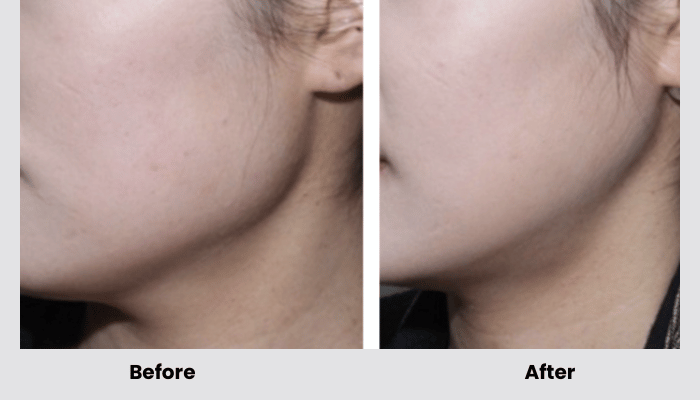
Facial contouring surgery reshapes the facial bones to soften angles and reduce width, creating a smoother and more tapered facial outline.
Jaw Angle Reduction
This is the most important procedure for square faces.
- Reduces prominent jaw corners
- Softens sharp angles
- Narrows the lower face from front and side views
Long-Curve Jawline Contouring
Instead of removing only the jaw corners, surgeons often reshape the jawline into a continuous curve.
- Prevents a blunt or boxy appearance
- Creates a natural V-shaped transition
Chin Reshaping
Square faces often benefit from chin adjustment.
- Chin narrowing
- Chin length refinement
- Improved lower-face proportions
Chin work helps prevent the face from looking short or bottom-heavy after jaw reduction.
Is Cheekbone Surgery Needed for Square Faces?
Not always.
- If the cheekbones are already narrow, jaw and chin contouring may be enough
- If the face looks wide overall, cheekbone reduction may be considered
Many square faces achieve balanced results without touching the cheekbones, especially when the main issue is the lower jaw.
Facial Contouring Surgery vs Non-Surgical Options for Square Faces
Non-surgical face slimming can help when jaw bulk is caused by muscle overuse, but it has limitations.
Non-Surgical Limitations
- Does not change bone width
- Temporary results
- Limited effect on true square jawbones
Surgical Advantage
- Permanently reduces bone width
- Changes face shape at a structural level
- More predictable for square facial anatomy
For true square faces, surgery is often the only option that delivers lasting shape change.
Expected Results for Square Face Contouring
Well-planned facial contouring surgery aims to:
- Reduce lower-face width
- Soften angular jaw corners
- Improve facial symmetry
- Create a slimmer, more oval or V-shaped appearance
The goal is refinement, not extreme narrowing.
Recovery Timeline
Typical recovery for square face contouring:
- 1–2 weeks: visible swelling and bruising
- 1 month: major swelling improves
- 3–6 months: facial shape becomes clearer
- 6–12 months: final contour stabilizes
Square faces may experience more swelling initially due to extensive jawbone work.
Who Is a Good Candidate?
Facial contouring surgery for square faces may be suitable for individuals who:
- Have prominent jaw angles
- Feel the lower face looks wide or heavy
- Want permanent facial slimming
- Have realistic expectations
It may not be ideal for those seeking subtle changes or minimal downtime.
Key Planning Considerations
Successful square face contouring depends on:
- Precise jawline design
- Balanced chin proportions
- Avoiding over-reduction
- Maintaining facial strength and symmetry
In Korea, planning often relies on 3D CT imaging to customize the contour rather than using a one-size-fits-all approach.
Final Thoughts
Facial contouring surgery is one of the most effective options for reshaping square face shapes when bone structure is the main cause of width. By softening jaw angles and refining the lower face, the procedure can create a slimmer, more balanced appearance while preserving natural facial harmony.
The most natural results come from strategic reduction and smooth contouring, not aggressive bone removal.